The short answer on custom vs semi-custom cabinets: semi-custom cabinets come in a manufacturer's catalog of standard sizes with a menu of modifications, while custom cabinets are built to your room's exact dimensions with almost no limits on size, species, door style or finish. Semi-custom usually costs less and ships sooner; custom fits awkward spaces and unusual designs better.
What the labels do not tell you is quality. A well-built semi-custom box can outlast a poorly built custom one, so grade describes flexibility more than durability. Kitchen NV designs with both through its semi-custom cabinets and custom kitchen cabinets work, and the choice comes from the room, not a sales tier.
What separates custom from semi-custom cabinets?
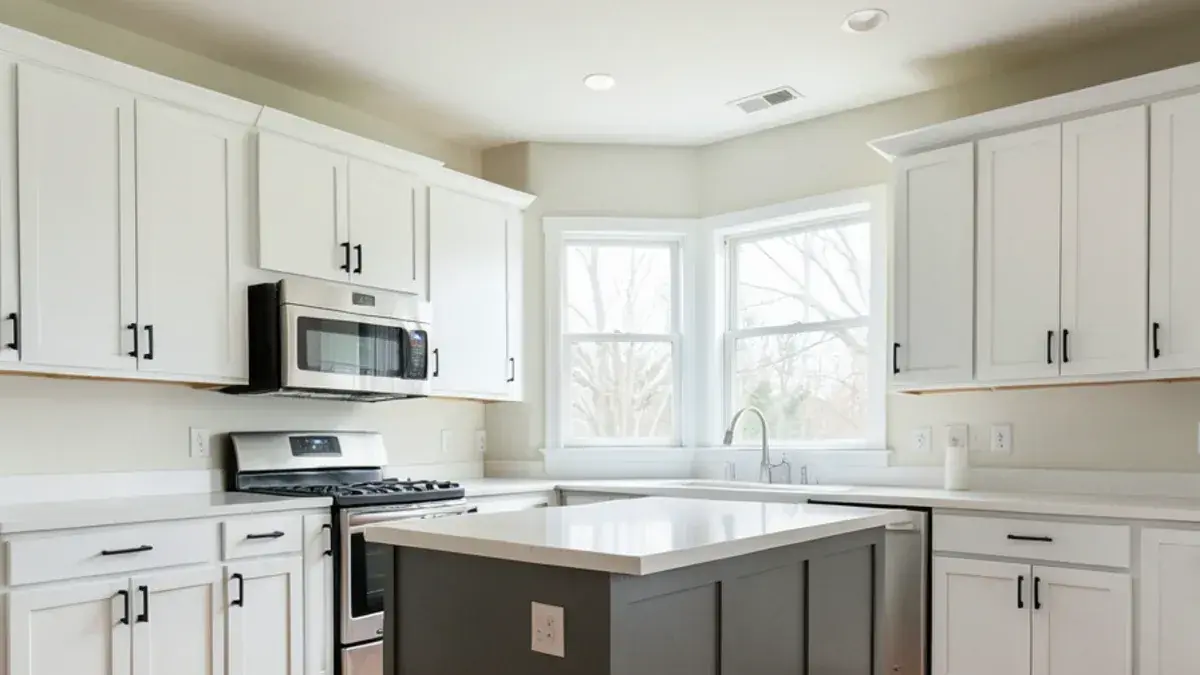
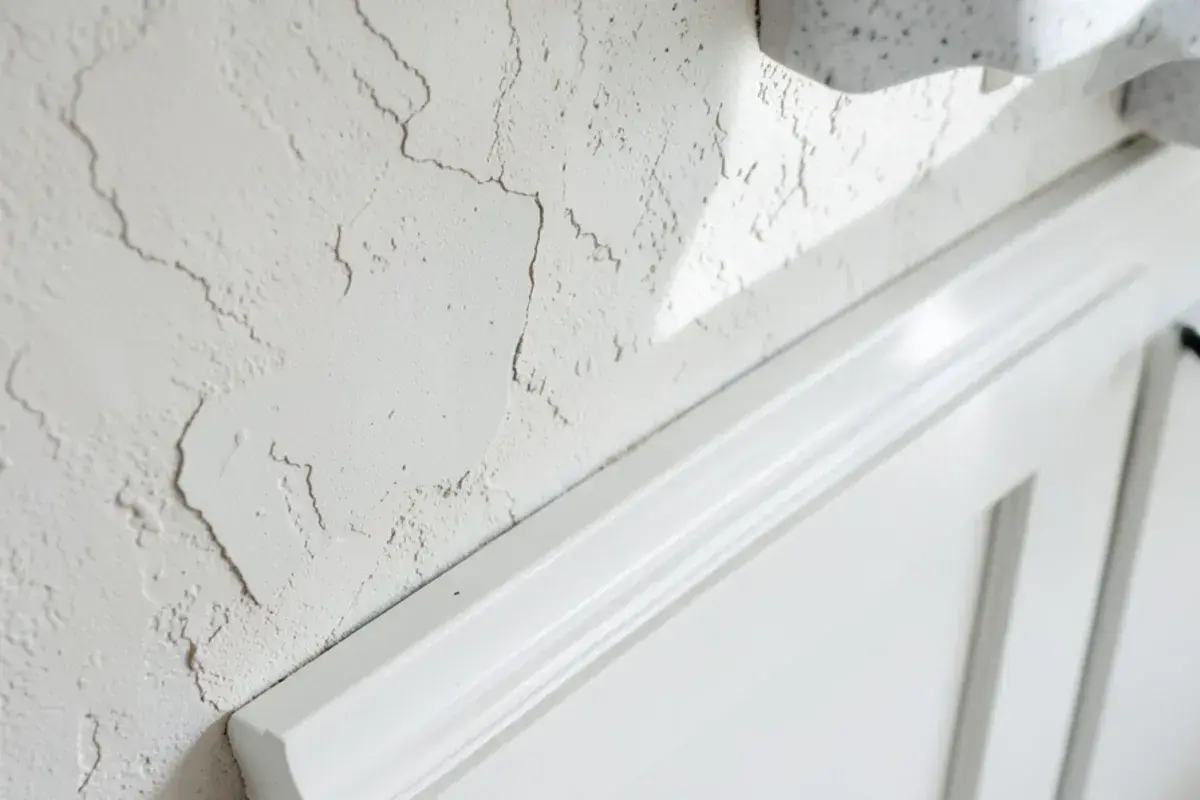
Semi-custom lines start from standard box widths, typically in 3-inch steps, and then let the designer modify them. Common modifications include reducing depth, extending a stile, adding a finished end or changing an upper's height. Gaps between the last box and a wall are closed with filler strips and scribe molding.
Stock cabinets sit one step below semi-custom. They come in fixed sizes and a short list of finishes, often warehoused and ready quickly, with few or no modifications. They suit simple rentals and utility rooms; most of the design flexibility homeowners want starts at the semi-custom level.
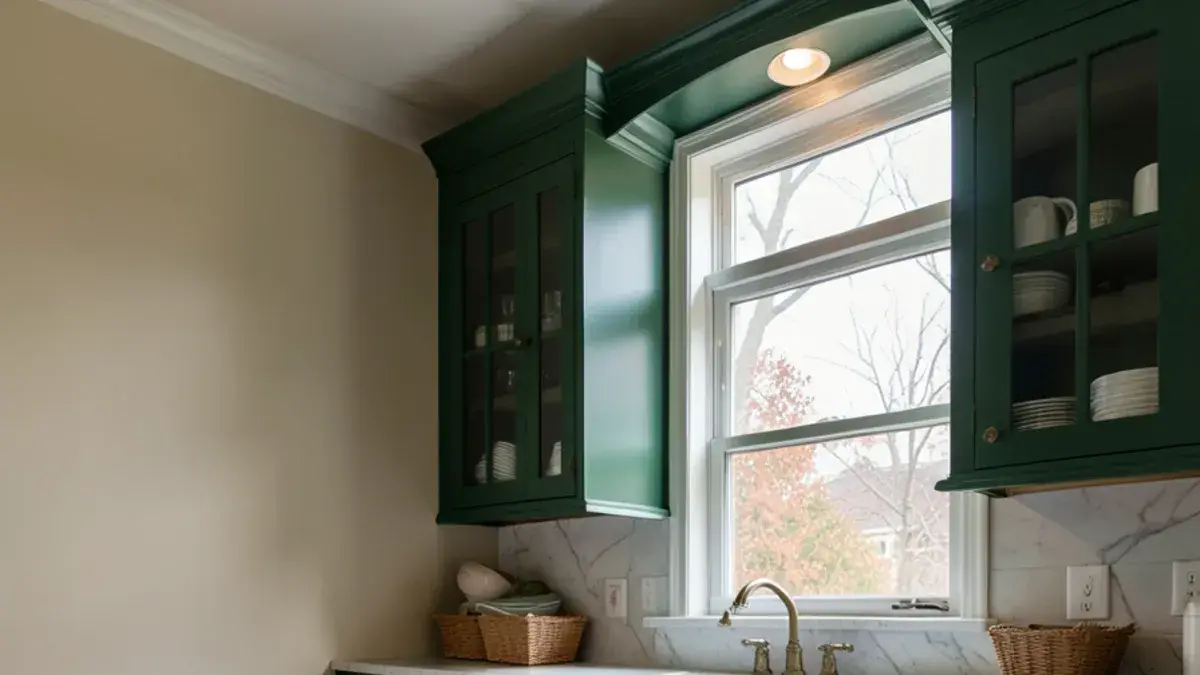
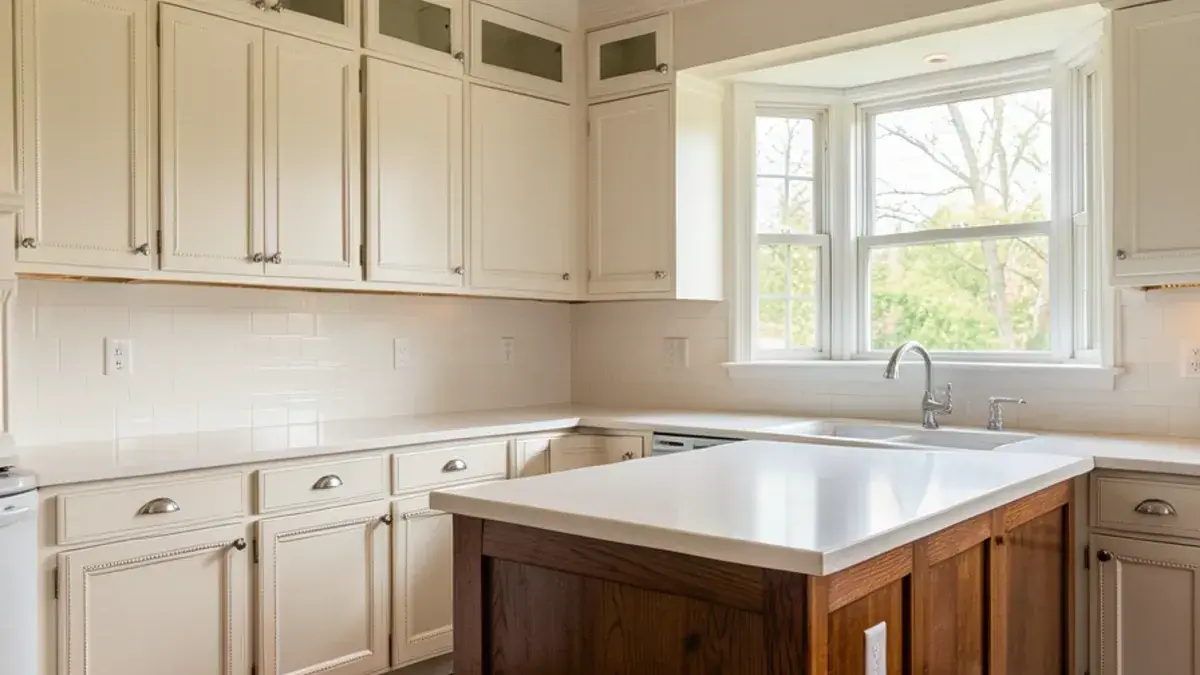
Custom cabinetry is built to measured dimensions, so a run can fill a wall to the fraction of an inch without fillers. Custom shops also tend to offer more species, more door profiles, inset construction, color matching and furniture details such as feet, legs and integrated end panels.
Questions about your own project? Call Nick at (810) 923-8792
Call Kitchen NV in Pinckney, Monday to Friday, 9 a.m. to 5 p.m. Design consultations are by appointment.
- ★ 5.0 on Google (28 reviews)
- MI Residential Builder #2101209269
- CMKBD · CAPS · CLIPP designer
- Serving since 2020
Custom and semi-custom cabinets compared
| Factor | Semi-custom | Custom |
|---|---|---|
| Sizing | Standard widths with modifications | Built to measured dimensions |
| Fillers and scribes | Used to close gaps at walls | Rarely needed |
| Door styles | Broad catalog; inset offered by some lines | Nearly any profile, including inset and beaded frames |
| Finishes | Catalog colors and stains, sometimes custom match for an upcharge | Wide range, color matching common |
| Construction | Depends on the line; plywood or particleboard options | Depends on the shop; often plywood and dovetail drawers |
| Lead time | Usually shorter | Usually longer |
| Relative cost | Moderate | Higher |
Is custom cabinetry always better quality?
No, and this is where buyers get misled. Quality lives in specific choices you can check on a sample cabinet or a spec sheet, regardless of which grade it carries.
- Box material: plywood sides resist moisture and hold screws well; ask what the sink base is made of in particular.
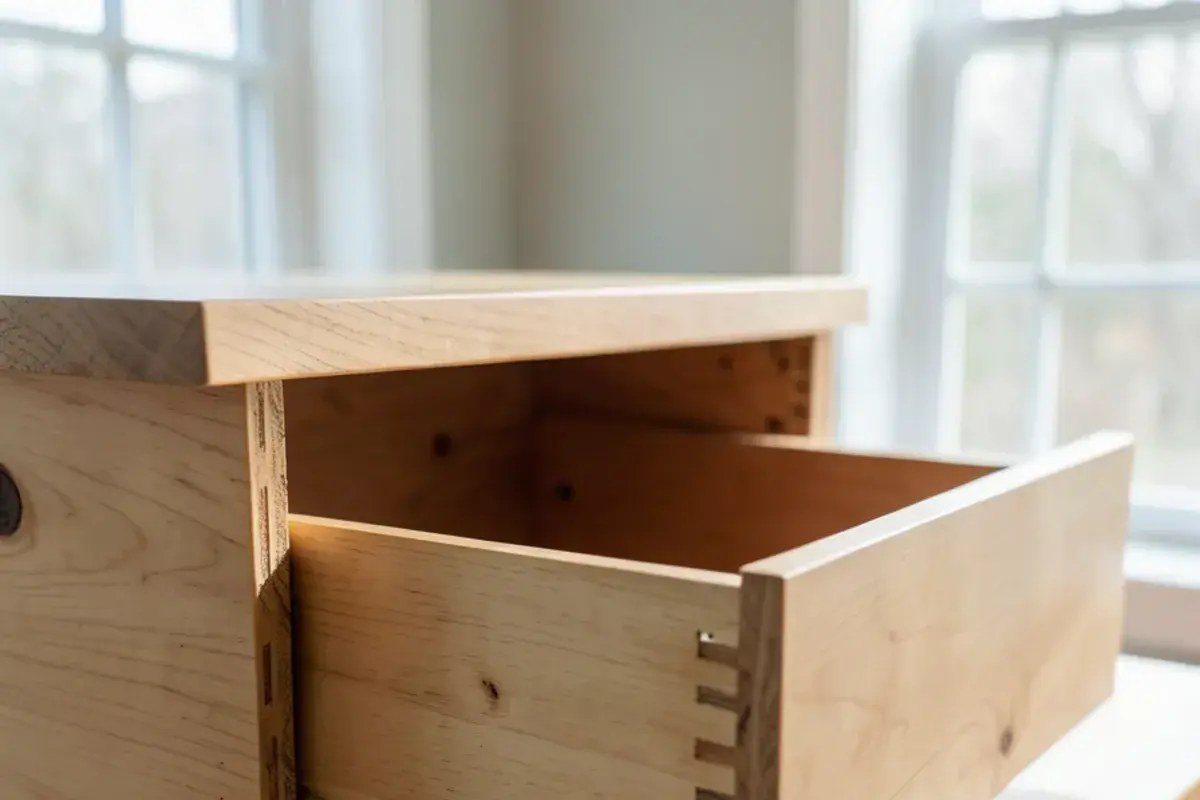
- Drawer boxes: dovetail joints and solid wood or plywood sides outlast stapled particleboard.
- Slides and hinges: full-extension, soft-close hardware from a reputable maker.
- Finish: a cured factory finish rather than a field-sprayed coat on paint-grade doors.
- Warranty: written terms from the manufacturer, reviewed before anything is ordered.
Many semi-custom lines offer upgraded construction that rivals custom work, and some custom shops cut corners. The spec sheet tells you more than the name of the grade.
What a KCMA certification seal does and does not prove
The Kitchen Cabinet Manufacturers Association runs a quality certification built on the ANSI/KCMA A161.1 standard. Its seal covers structural strength, door and drawer integrity and finish durability, and the association says a certified cabinet has passed 14 tests, among them a 600-pound load test. KCMA also reports that 40 to 50 percent of cabinets fail on their first attempt, which tells you the tests are not a formality.
The seal is most common on production and semi-custom lines, because a manufacturer certifies a repeatable product. A small custom shop building one kitchen at a time rarely submits samples, so a missing seal on custom work is normal and says nothing bad on its own. In that case, ask to see a finished drawer, a door edge and the inside of a sink base before you sign.
How long do custom and semi-custom cabinets take to arrive?
Semi-custom cabinets generally ship faster because the boxes come off an established production line. Custom cabinetry usually takes longer, since each piece is drafted, approved and built to order. Actual lead times move with the manufacturer, the finish and the season, so the number that matters is the one written on your order acknowledgment.
Plan for one more gap: on custom work, shop drawings often go back to you or the designer for sign-off before the build starts, and corrections at that stage add days. Semi-custom orders skip most of that loop, but a single discontinued finish or a modification the factory rejects can send the order back for a revision.
Lead time also starts later than most people expect. Cabinets are ordered only after the design, elevations and selections are final and the purchase agreement is signed. Time spent getting the drawings right is time saved on reorders and site fixes.
Does framed or frameless construction matter more than the grade?
For daily use it often does. A framed box carries a hardwood frame across its front edge, and each door either laps over that frame or closes inside it. A frameless box, also sold as European or full-access, has no front frame; hinges mount straight to the side panels, so the opening is wider and drawers can run nearly the full interior width.
- Framed suits traditional, farmhouse and inset looks, adds rigidity at the front of a wide box and makes scribing to a wavy wall easier.
- Frameless gives more usable drawer width, cleaner modern lines and tight, even reveals, but it leaves less room for error when walls are out of plumb.
- Both are offered in semi-custom and custom grades, so pick the construction first and then see which lines build it well.
Frameless boxes depend on accurate installation, because every door gap shows if the run is not level and true. That is one reason a careful cabinet installation plan matters as much as the order itself.
How to compare a custom quote against a semi-custom quote
Hold the layout constant
Price both grades from the same floor plan and elevations, or you are comparing two different kitchens.
List every modification
Semi-custom pricing climbs with each modified depth, finished end and taller upper; make sure each one appears as a line.
Match the construction
Put box material, drawer joinery, slides, hinges and finish type side by side, using the checklist above.
Count fillers and panels
Add the filler strips, scribes, end panels and toe kicks each quote needs; custom quotes often fold these into the boxes.
Compare written lead times and terms
Get the lead time, deposit schedule and written warranty terms from each manufacturer before deciding.
Working from one set of 3D kitchen design drawings makes this side-by-side honest, because every cabinet in both quotes traces back to the same plan.
Where each grade fits, and why many kitchens mix them
- Semi-custom fits square rooms with standard ceiling heights, straightforward layouts and a catalog finish you love.
- Custom fits older homes with out-of-square walls, sloped or very tall ceilings, inset doors, unusual appliances and built-ins that must match exactly.
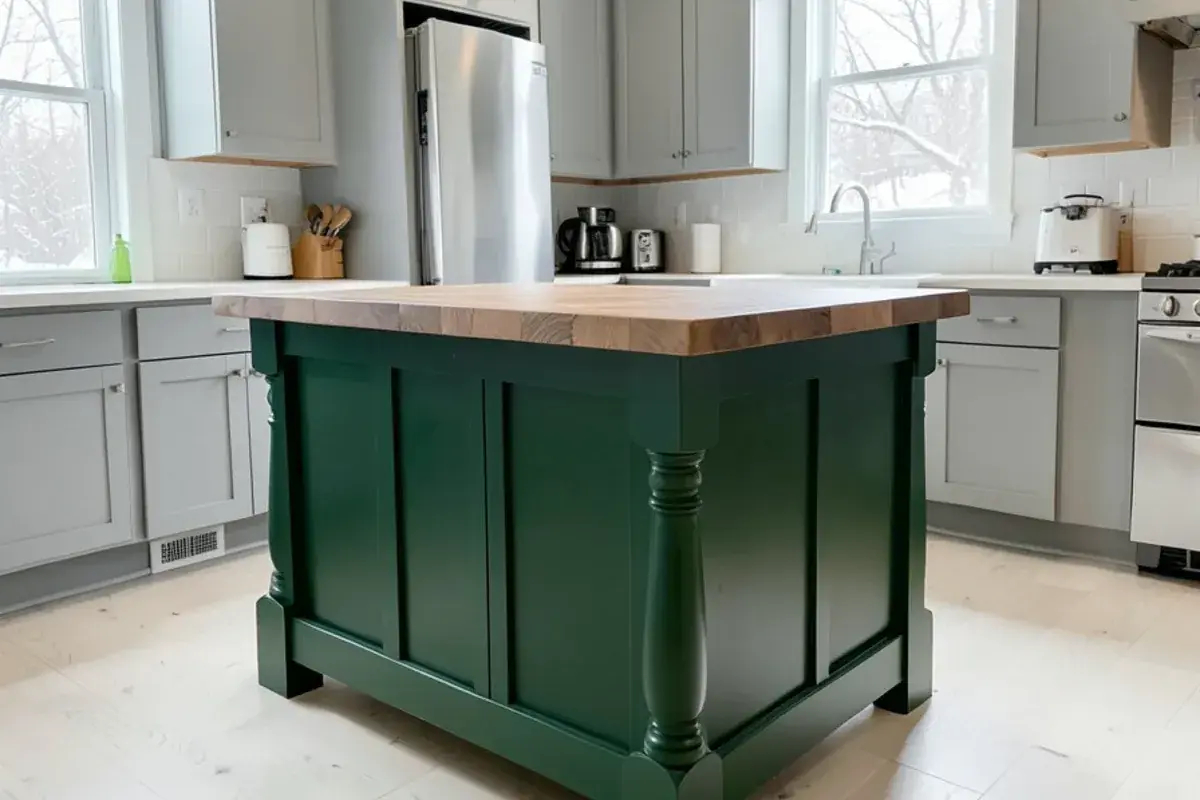
- Mixing fits kitchens where the perimeter is simple but one piece, such as an island, hood or hutch, carries the design.
A semi-custom perimeter paired with a custom island or range hood is a common way to spend where it shows. The finishes have to be coordinated closely so the two read as one kitchen, which is part of the design work. Homeowners in Pinckney and Novi often bring very different houses to the same question, which is exactly why the room decides.
How Nick chooses between the two grades
Cabinetry design is the heart of what I do, and I do not start a project assuming one grade or the other. I measure the room, look at the walls and ceilings, listen to how the family uses the kitchen and then see which approach solves it with the fewest compromises.
When a semi-custom line can do the job cleanly, I would rather put the savings into a better countertop or lighting. When the room fights standard sizes, or the design depends on inset doors or exact furniture details, custom work earns its cost. Either way, I want you comparing construction specs, not labels.
The honest trade-off with custom is time and commitment. Shop drawings, approvals and a longer build mean you live with your decisions longer before anything arrives, and a change after approval costs real money. With semi-custom, the risk runs the other way: the catalog can force a filler or a compromise you only notice once the boxes are on the wall, so I draw those spots out before you sign.

Nicholas Vanderhovel, CMKBD, CAPS, CLIPP
Owner and designer at Kitchen NV in Pinckney, MI, and a Michigan-licensed residential builder (#2101209269). About Nick
Custom vs. Semi-Custom Cabinets: quick answers
Can semi-custom cabinets work in an older house with uneven walls?
Often, yes. Fillers, scribe moldings and modified box depths absorb a lot of irregularity, and a careful field measure catches problems before ordering. The limit comes with walls that are badly out of square or ceilings that slope, where gaps get too large to hide. Nick checks those conditions during measuring so the drawings show exactly where fillers will land.
Can I get inset doors with semi-custom cabinets?
Some semi-custom lines offer inset construction, but many do not, and those that do may limit sizes and finishes. Because an inset door closes into its frame rather than over it, the gaps around it must be tight and even, which is why they are more common in custom work. If inset is central to your design, Nick will confirm which options support it before you settle on a cabinet grade.
Do custom cabinets add more value than semi-custom?
Not automatically. Buyers notice a kitchen that fits the house, works well and is built solidly, and both grades can deliver that. Custom work tends to matter most in higher-end homes where buyers expect inset doors, exact built-ins or unusual finishes. For most kitchens, layout, construction quality and finish choices influence appeal more than the grade printed on the order.
Is it worth paying for custom cabinets in a small kitchen?
Sometimes it is, because small rooms waste the most space on fillers and standard widths. A custom run can claim every inch along a short wall, add a narrow pullout beside the range or fit a tight corner precisely. In a simple, square small kitchen, though, a semi-custom plan with careful modifications often gets close for less, and Nick will show both on the floor plan.
Choose semi-custom when the room cooperates and the catalog has what you want; choose custom when the space or the design demands exact sizing and details. Then judge either option by its construction, not its label.
For a cabinet plan built around your actual room, call (810) 923-8792 and schedule time with Nick to review layout, grade and specifications together.
Sources
- KCMA Certification Programs — Kitchen Cabinet Manufacturers Association
Related services and areas